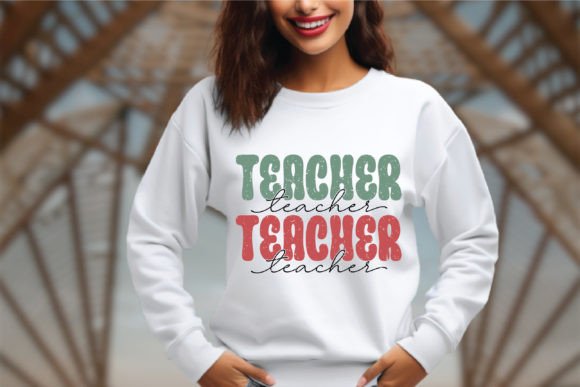
Reviewing Teacher Retro Sublimation for Embroidery
As a designer who spends half my life digitizing and the other half stitching, I have learned to look past the flashy preview images. We all know that what looks crisp on a screen can sometimes turn into a tangled mess of thread on fabric. When I first encountered Teacher Retro Teacher Sublimation, my initial reaction was one of cautious optimism. The aesthetic is undeniably charming, tapping into that nostalgic, vintage educator vibe that remains perennially popular in the Crafts sector. However, translating a sublimation-style graphic into a tangible embroidery project requires a keen eye for detail, stitch structure, and fabric compatibility.
First Impressions: Mood and Visual Personality
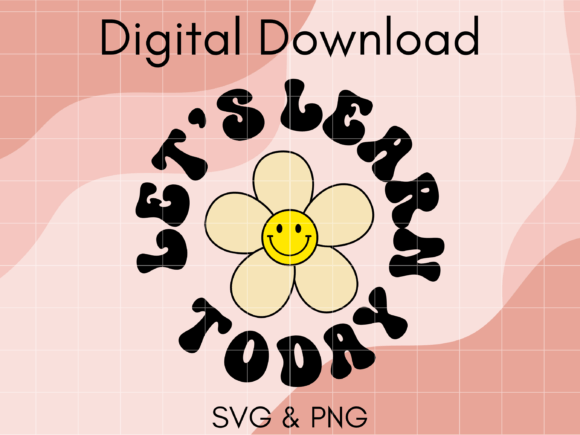
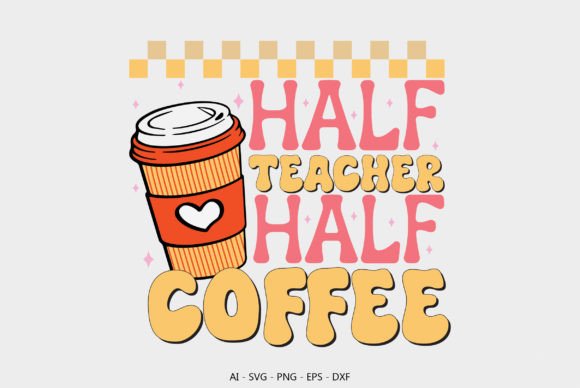
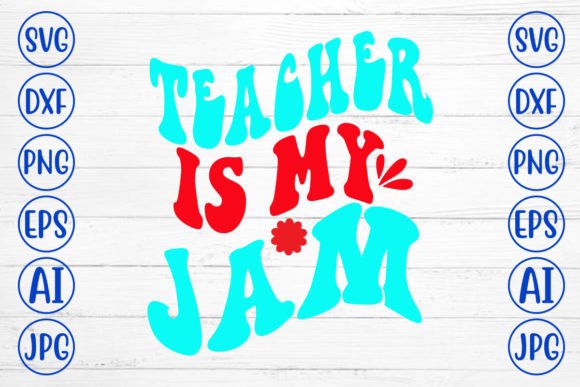
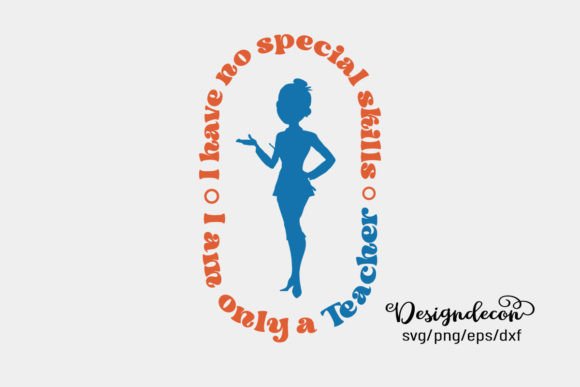
The design exudes a warm, approachable energy. It feels less like a rigid corporate logo and more like a heartfelt nod to the profession. For an Etsy seller or a small shop product creator, this mood is crucial. Customers buying teacher gifts are often looking for something that feels personal and appreciative, not mass-produced. The layout suggests a balance between bold statement pieces and finer decorative accents. In terms of Graphics, the retro styling usually implies clean lines and distinct shapes, which is generally good news for embroidery. Clean shapes translate well to satin stitches and fill stitches, provided the digitizer has respected the limitations of the needle and thread.
When evaluating this as a potential machine embroidery design, I immediately consider the "stitchability" of the retro elements. Retro fonts can sometimes be tricky if they are too thin or have excessive serifs. If this design maintains a solid weight in its lettering, it will hold up beautifully on textured fabrics. The visual personality suggests it would pair wonderfully with muted, earthy thread colors or classic primary shades, depending on the specific retro era being evoked.
Real-World Application: From Screen to Stitch
Let’s imagine a real-life scenario. You are preparing a custom order for a local elementary school’s end-of-year appreciation event. The client wants a set of personalized tote bags. This is where Teacher Retro Teacher Sublimation could shine. A tote bag offers a large, flat canvas, ideal for showcasing the full breadth of the design. Because the item is likely made of canvas or heavy cotton, the fabric texture can support a moderate stitch density without puckering.
However, versatility is key for a craft business. Could this work on a sweatshirt? Absolutely. Sweatshirt embroidery requires careful handling of pile fabrics. If the design includes large solid areas, a proper underlay is essential to prevent the stitches from sinking into the fleece. For a personalized gift like a baby onesie, the scale becomes critical. You would need to resize the design significantly. Here, you must check the smallest details. If the retro elements include tiny stars, apples, or book icons, ensure they do not become unrecognizable blobs when scaled down for baby embroidery.
For those creating custom apparel such as teacher aprons or caps, the curvature of the surface matters. On a cap, a wide design might distort. You may need to split the design or choose a version with a narrower footprint. An embroidered patch is another excellent avenue. By stitching this design onto twill and cutting it out, you create a durable asset that can be ironed or sewn onto various garments, extending the life of your design assets across multiple product lines.
Navigating Technical Challenges
While the aesthetic is strong, practical application demands we address potential pitfalls. One major consideration is the source file. The description notes this is an instant download compatible with cutting software like Cricut and Silhouette, delivered in a ZIP folder. This raises a vital point for embroiderers: check your file formats. Cutting files (SVG, DXF) are vector-based paths for blades, not needles. To use this for embroidery, you either need a dedicated embroidery file format (PES, DST, JEF, etc.) included in the ZIP, or you must digitize the vector yourself. If the package only contains cut files, you cannot simply load them into an embroidery machine. Always verify the contents before purchase.
Assuming you have the correct digital embroidery file, let’s talk about stitch density. Retro designs often feature bold fills. If the density is too high on a lightweight fabric, you will experience puckering. Always use a appropriate stabilizer. For knits like t-shirts, a cut-away stabilizer is non-negotiable to maintain shape after washing. For woven totes, a tear-away might suffice, but hooping tension must be precise.
Color contrast is another element that defines success. On dark fabrics, light threads pop, but you must ensure the design doesn't rely on subtle shading that gets lost in the stitch texture. Testing the design in black and white mockups can help you see if the shapes stand out independently of color. If the design relies on satin stitch borders, ensure they are wide enough to cover the underlying fabric completely, especially on dark materials where white backing might peek through.
Enhancing Product Value and Brand Consistency
Using a well-chosen design like Teacher Retro Teacher Sublimation can significantly boost the perceived value of your handmade product. It signals to the buyer that you understand current trends while delivering a timeless quality. For commercial embroidery projects, consistency is key. If you are branding a line of teacher appreciation gifts, this design can serve as a anchor piece. Pair it with complementary fonts for names or years to create a cohesive collection.
Customer trust is built on quality. A clean, well-stitched design reflects professionalism. If the small details are crisp and the thread tension is balanced, the recipient feels valued. This is particularly important for holiday embroidery or graduation gifts, where the emotional weight of the item is high. A sloppy stitch job can undermine the sentiment, whereas a polished finish enhances the giftability of the item.
Practical Designer Notes for Best Results
- Test on Scrap First: Never run a new design on your final garment without a test stitch-out. Use the same fabric and stabilizer combination you plan to use for the final product.
- Verify Licensing: Since this is a digital product, confirm the license terms. Can you sell finished physical items? Can you use it for commercial clients? Most designers allow finished product sales, but always read the specific terms included in your download.
- Check Hoop Size: Ensure the design fits within your machine’s maximum hoop size. If it’s a large back-piece design, you might need a multi-position hoop or a larger machine.
- Thread Selection: Choose high-quality rayon or polyester threads. Rayon offers a beautiful sheen that complements retro styles, while polyester offers durability for items that will be washed frequently, like aprons or tote bags.
- Inspect Small Details: Zoom in on the digitized file. Look for unnecessary jump stitches or overly dense areas that might cause thread breaks. Good digitizing should minimize trims and jumps.
In conclusion, Teacher Retro Teacher Sublimation holds great promise for the right projects. It bridges the gap between trendy graphic design and tactile craft. By approaching it with a designer’s eye—considering fabric, stabilizer, and scale—you can transform a simple digital file into a cherished finished product. Whether you are an experienced embroidery file user or a newcomer to the world of applique design and stitched graphics, taking the time to evaluate these technical aspects will ensure your work stands out in the crowded marketplace of handmade goods.